What to check before booking a Niagara Falls trip
Booking a Niagara Falls trip is easy to do in a hurry. The falls look close together on a map, the main sights sound familiar, and many itineraries can seem similar at first glance. A little checking before you commit makes the day smoother, especially if you are trying to fit boat rides, viewpoints, and travel time into a short visit.
Start with the basics: where the outing begins, how long it lasts, and what is actually included. Those details shape the whole experience. A tour that looks compact on paper may involve a long transfer, several stops, or a tight schedule around popular attractions. Knowing the shape of the day helps you judge whether it suits your pace.
Where the day starts and ends
Check the meeting point and the finish point before anything else. They may not be the same place. A starting location near the falls is very different from one farther out, and a drop-off at a different hotel or border area can add extra planning. Look for a clear address, a nearby landmark, and whether the return point works with where you are staying.
Also think about arrival time. If you are crossing a border, changing hotels, or arriving by train, leave room for delays. A fixed departure can be hard to meet if your morning is already packed. It is better to choose a start time that gives you breathing space than to plan every minute and risk missing the beginning.
What sights are included
Not every falls visit covers the same places. Some focus on the classic viewpoints, while others include attractions on Goat Island, time near American Falls, or a look at Bridal Veil Falls. Others centre on the boat ride or a walk close to the water. Read the itinerary as a list of experiences, not just names. A mention of the falls may mean a quick photo stop rather than time to explore.

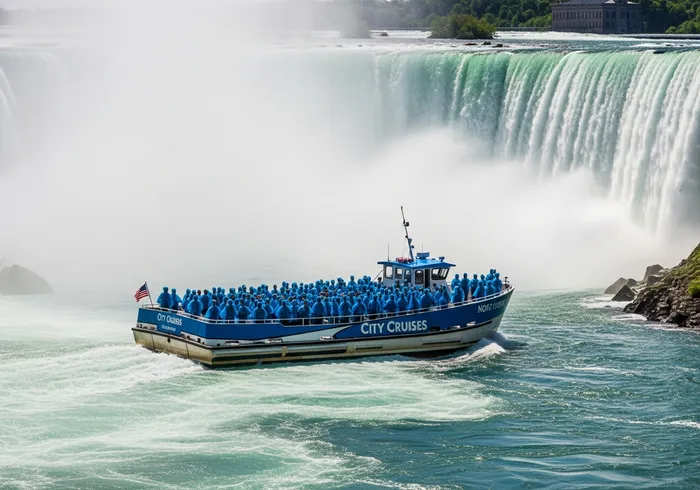
If a specific sight matters to you, check that it is written into the plan. Maid of the Mist is a good example. It may be seasonal, weather dependent, or replaced by another experience when conditions change. The same applies to Cave of the Winds, where access can vary. A clear itinerary should tell you what happens if an attraction is unavailable, rather than leaving you to guess on the day.
How much free time you really get
Free time is one of the most useful parts of a Niagara Falls Tour, but it needs context. Ten minutes at a viewpoint is enough for photos, not enough for a slow walk. An hour near the falls may feel generous or brief depending on how many people are in the group and how far you need to walk between stops.
Look for wording such as "time at the falls", "photo stop", "guided visit", or "free exploration". These do not mean the same thing. A guided visit gives structure but less independence. Free exploration gives flexibility, though you need to return to the right place at the right time. If you like wandering at your own pace, choose an itinerary with clear meeting points and enough time to get back without rushing.
Group size and pace
Group size changes the feel of the day. A smaller group often moves more easily through busy areas and gives more room for questions. A larger group may still run smoothly, but boarding, headcounts, and stops can take longer. That is not a problem if the schedule allows for it, but it matters if the itinerary is already tight.
Think about who is travelling too. Children, older travellers, and anyone with limited mobility may need more time at stops. Check whether the route includes stairs, long walks, uneven paths, or extended periods standing. The Niagara Gorge and observation areas can involve more walking than people expect, especially when several viewpoints are included. If a stop looks physically demanding, ask before booking rather than trying to work around it later.
Season, weather, and daylight
Niagara Falls changes with the season. Warmer months bring more access to some attractions and longer daylight. Colder months can be quieter, but certain walks and boat experiences may be limited or closed. Check what is operating for your travel dates instead of relying on a general itinerary written for another time of year.

Weather also affects visibility and comfort. Mist near the falls can soak clothing, even on a dry day, and wind can make the experience feel colder than the forecast suggests. Pack a layer that can be removed easily and wear shoes with a reliable grip. If evening plans include night illumination, check whether it runs on your date and how the schedule fits with the rest of the day. A late finish may be worthwhile, but it can be tiring after a full afternoon outdoors.
Transport and timing between stops
A good itinerary accounts for travel time, not just attraction time. The falls area has roads, bridges, parking areas, and pedestrian zones that can slow a route down. Transfers between viewpoints may be short, but they still add up. If the day includes several attractions, check whether transport is arranged between them or whether you need to move independently.
Also check what happens if traffic builds up or a stop runs long. A flexible plan can absorb small delays. A packed schedule may cut the time at the falls first, which is usually the part visitors care about most. If the main goal is to see the water from several angles, favour a plan with fewer add-ons and more time at the key viewpoints.
Inclusions and exclusions
Read the inclusions line carefully. Attraction tickets, boat rides, guides, transport, meals, and gratuities are often handled differently. One plan may include entry to several attractions, while another mainly provides transport and commentary. Neither is automatically better. The right choice depends on whether you want a full day arranged for you or a simpler way to reach the area.
Use a short mental list when comparing options:
- Attraction tickets: confirm which ones are included and which are optional.
- Boat or cave access: check operating dates, weather rules, and replacement plans.
- Transport: look at pickup, drop-off, and transfers between stops.
- Meals: see whether there is a meal break and enough time to use it.
- Extras: watch for costs that are not part of the booking.
Cancellation rules and weather changes
Before paying, read the cancellation terms in plain detail. Check the deadline for changes, what happens if weather affects a major stop, and whether a revised itinerary is offered. Falls visits are outdoors, so conditions can matter more than they do on a city museum day. Clear terms reduce stress if plans shift.
Do not rely on a vague promise that the day will "work out". Look for specific language about cancellations, rescheduling, and what happens when an attraction closes. If the wording is unclear, ask for clarification before you book. That is especially useful when travelling from far away, where rearranging a single day can affect the rest of the trip.
What to confirm before you pay
Once the itinerary makes sense, do a final pass on the practical details. Confirm the date, start time, meeting point, return point, and the name used on the booking. Check whether vouchers or tickets need to be shown, and where. Save the details somewhere you can reach on the day, since searching through email at a busy meeting point is never enjoyable.
A well-chosen falls outing should feel clear before it begins. Check the stops, the pace, the season, the transport, and the fine print. When those pieces fit together, you can spend less time managing the day and more time taking in the water, the mist, and the scale of the falls from viewpoints such as the Observation Tower or the paths around the islands.
Ends · CANADANIAGARAFALLSTOURMAG